
- July 16, 2026
- Posted by: vitalclick
- Category: Investments
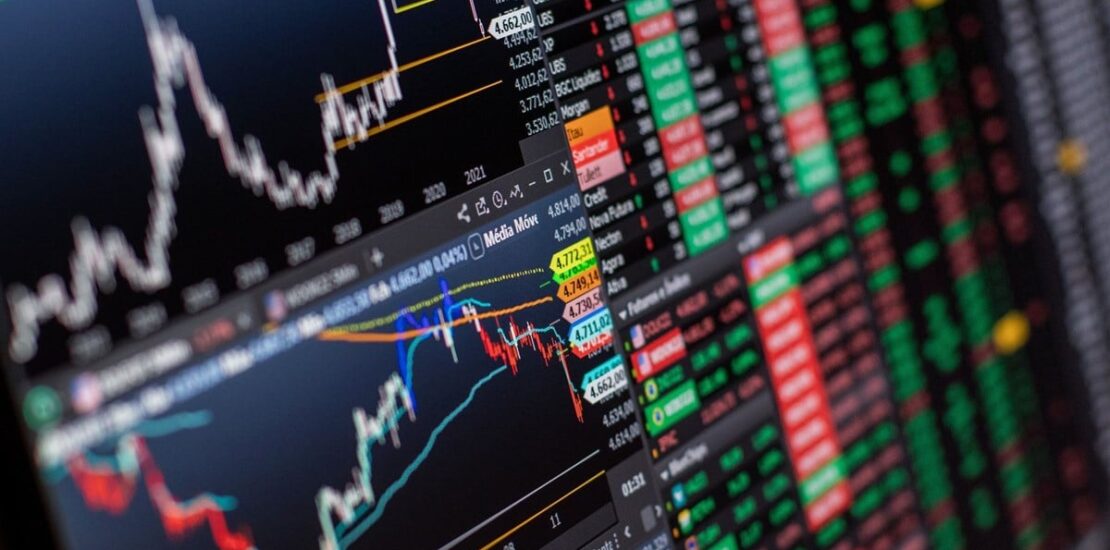
The South African rand faced fresh headwinds on Thursday, 16 July 2026, as escalating tensions between the United States and Iran pushed oil prices higher and heightened concerns about global inflationary pressures.
Source: Pexels.
At 0635 GMT, the rand traded at R16.35 against the US dollar, close to its previous session’s levels, as investors remained cautious and avoided taking large positions amid escalating geopolitical risks.
The latest market moves follow fresh US strikes on Iranian coastal defence systems and missile sites after Washington reimposed a naval blockade of Iranian ports. Iran has threatened further disruption to regional energy exports, saying it is engaged in an “existential war” with the United States.
“The tension between the US and Iran is rattling energy markets,” said Andre Cilliers, currency strategist at TreasuryONE. “This standoff has pushed Brent crude oil prices above $85 a barrel, a one-month high, as traders worry that the Strait of Hormuz, a key global oil-supply route could stay disrupted for weeks or months.”
“Iran is refusing to back down and says the strait will stay closed until the US stops its attacks,” he said.
Market caution rises
For South Africa, rising oil prices present a challenge as the country remains heavily reliant on imported fuel. A sustained increase in energy costs could place pressure on the country’s import bill and complicate efforts to contain inflation.
Currency markets reflected investors’ increasingly cautious approach as mounting geopolitical uncertainty weighed on equity markets and raised concerns about the economic fallout from the Middle East conflict.
“The US dollar steadied after a couple of rough days, partly because investors are treating it as a safe place to put their money while stocks wobble and the Middle East conflict continues,” Cilliers said.

The rand’s close relationship with commodity markets could also provide some protection against the impact of higher oil prices.
“While higher energy costs could pressure South Africa’s import bill, the rand’s commodity linkage provides a partial offset through improved terms of trade if platinum group metals hold firm,” said ETM analytics in a research note.
Safe havens tested
The rand is also being influenced by broader movements in global markets, with investors turning to traditional safe-haven assets as geopolitical uncertainty weighs on sentiment.
The Japanese yen, meanwhile, continues to weaken and is trading near its lowest levels in about four decades, said Cilliers.
“Traders think Japanese officials might let the yen slide even further, potentially toward 165 per dollar before stepping in to prop it up, even though the government spent close to $74bn doing exactly that back in April.”
Gold prices, despite typically benefiting from periods of geopolitical uncertainty, declined by almost 1% to around $4,025 an ounce as investors assessed the possibility that oil-driven inflation could delay US interest-rate cuts.
“This tends to make gold less attractive to hold. Fed officials have given mixed signals on this as some say they’re ready to act if inflation doesn’t cool down, while others say current rates are fine for now,” Cilliers said.
South African bond markets remained relatively stable despite the heightened uncertainty. The benchmark 2035 government bond was little changed in early trading, with the yield holding around 8.39%.