
- July 22, 2026
- Posted by: vitalclick
- Category: Property & Real Estate
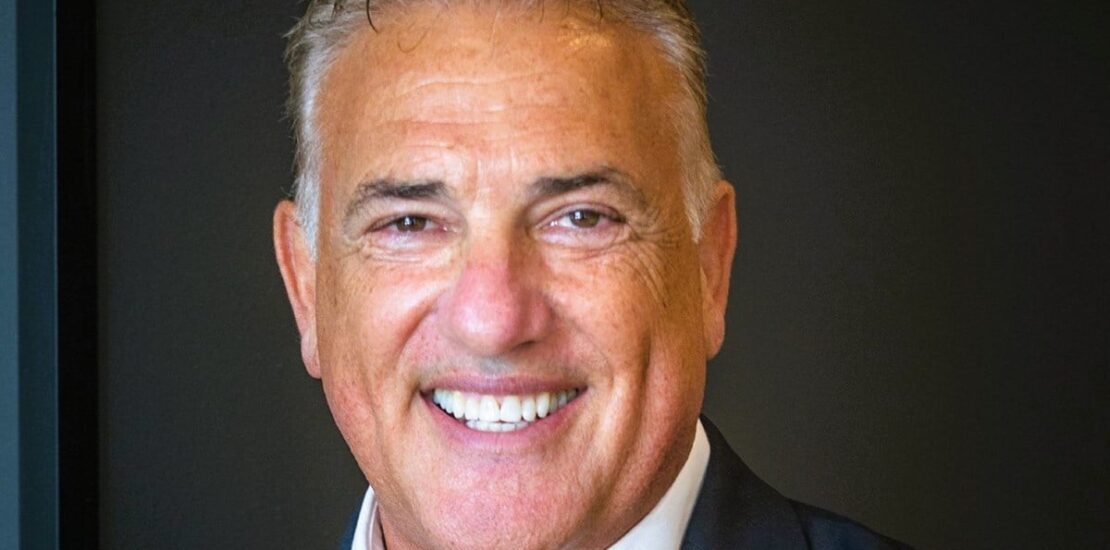
Samuel Seeff, chairman of Seeff Property group, has urged the South African Reserve Bank (Sarb) to keep the repo rate unchanged this week, warning that further tightening could deepen pressure on the economy and property market.
Source: Supplied. Samuel Seeff, chairman of Seeff Property group.
Despite inflationary risks and oil-price volatility, Seeff argues there is room for the Bank to pause, with high borrowing costs already constraining growth, reducing property transactions and limiting first-time buyers’ access to the housing market..
Even with inflation expected to rise to around 4.7% for June, the projected average for the year is still at just below the Bank’s upper target range of 4%, leaving room for the Bank to take a more considered approach.
Seeff reiterates that the inflation spike is temporary while the impact of the higher interest rate on the economy and property market has been more prolonged. The restrictive monetary policy has contributed to the economic stagnation, with the economy largely stuck in a low-growth pattern for several years now.
While the oil-price volatility is no doubt a key influence, the high borrowing costs have been a major impediment to growth for the economy and property market, he says. We have already seen the Bank itself along with several financial institutions (including the IMF and World Bank) downgrade the GDP growth outlook closer to 1.1 percent, further prolonging the stagnation.

Transaction volumes fall
The impact on the property market has been two-fold. Despite an improvement in market activity, overall property transaction volumes remain about 18 percent below what they should be. In 2021 when the interest rate was around 7.25%, the market averaged around 22,000 monthly registered transactions, this is now down to 18,000 five years later. This is not good for either the property market directly, or the economy indirectly.
The high interest rate over the last five years also continues to directly impact the ability of first-time homebuyers to enter the housing market. Market data shows that 25 percent fewer young people (aged 26-35) are purchasing property now while the average age has increased to 36-years. First-time buyers as a percentage of home-loan applications are also down by a notable 10% (from 56 to 46 percent).
Seeff says all of this highlights the critical need for the Reserve Bank to do everything possible to hold the rate steady, and to restore affordability and market confidence as soon as possible.