
- April 29, 2021
- Posted by: vitalclick
- Category: Property & Real Estate
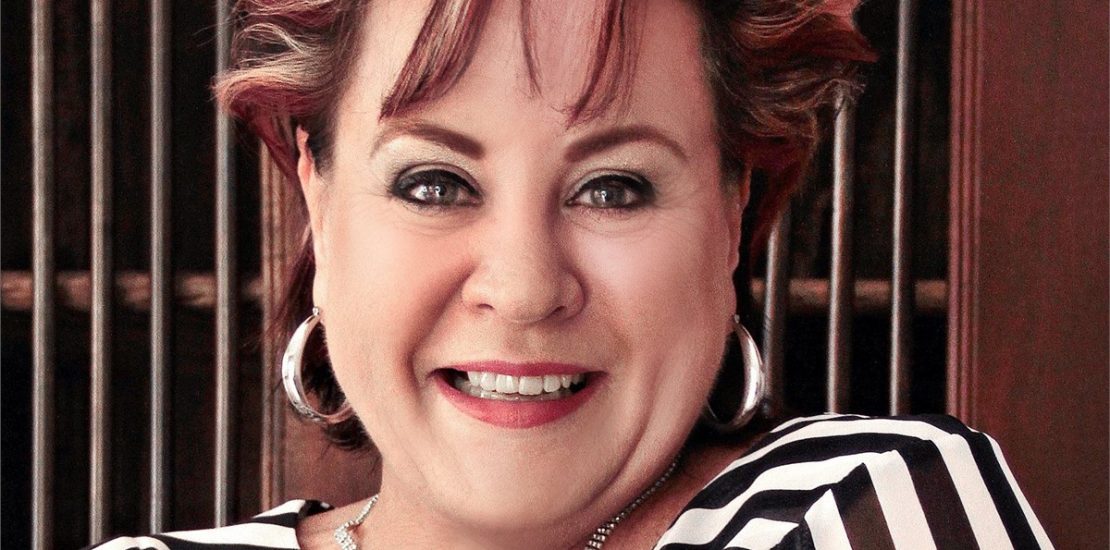
According to Pearl Scheltema, CEO of Fitzanne Estates, while taxes and property go hand in hand, there are fortunately some very real benefits to be had if you understand the property tax system and how best to manage your investment. “Having a clear understanding of the costs and benefits involved in buying a property is the logical first step,” says Scheltema.
|
Pearl Scheltema, CEO of Fitzanne Estates |
The real costs of buying property
All properties valued at more than R1m are subject to transfer fees, legal and agency fees, and municipal costs. For investors buying buy-to-let properties, however, it’s also important to consider the cost implications.
Rental income: The rent collected from an investment property makes up part of the owners’ income and, as such, is taxable income.
Capital gains tax: This is the tax payable on any profits made from your investment. For owners of primary residences, there is an exemption for properties valued at up to R2m.
“Having a property in a trust is typically a good way to spread the income you derive from an investment property, meaning your overall tax rate tends to be lower than if you were to buy as an individual,” explains Scheltema.
Making your property work for you
Property investors have several avenues at their disposal to leverage their real estate income and reduce tax liabilities. “Being smart with your property admin and understanding the implication of each action goes a long way in protecting your investment,” says Scheltema.
The following costs associated with owning a property are tax-deductible and can off-set the income derived from rentals and eventual selling of the property. Keep a clear record of these expenses to ensure your tax season is as painless as possible: Rates and taxes, bond interest, advertisements, agency fees, homeowner’s insurance, garden and repair services, and security and property levies.
These are considered maintenance and running costs that keep your property in a consistent state. “It’s important to note that costs associated with improving or upgrading an investment property cannot be tax deductible, as this inherently adds value to your portfolio,” Scheltema clarifies.

Flisp partnership answers property dreams
First-time home buyers in South Africa now have added support to get their foot on the first rung of the property ladder, thanks to a new partnership between LexisNexis South Africa and MDW Inc…
LexisNexis 20 Apr 2021
Urban development zones
Those in the market for investment opportunities would be well-served looking at urban development zones (UDZ), as these can also offer considerable savings. When investing in UDZs, ensure you have the necessary documentation and follow all necessary steps laid out by SARS, as failing to do so would forfeit any tax savings.
Finally, those with larger property portfolios stand to benefit from an allowance of up to 5% of their purchase price. This is valid for investors who own a minimum of five unused, new South African rental properties.